
So you’re thinking about moving to Korat (Nakhon Ratchasima). Maybe you’ve heard it’s more affordable than Bangkok, maybe you’re looking for something more “real” than the tourist zones, or maybe you just need a change of scenery.
Whatever brought you here, you should know that Korat is a “real” Thai city that’s not built around tourism.
If you think that might be right up your alley, keep reading to find out what daily life looks like in this sprawling northeastern metropolis.
4 Reasons Why Foreigners Are Moving to Korat
Korat is unlike Bangkok, Phuket, Pattaya, or any of the other major cities you might be familiar with. Here are just a few reasons why it’s growing in popularity:
It’s Actually Still Thailand (Not a Foreigner Bubble)
Here’s something you won’t get in Phuket, Chiang Mai, or Bangkok’s expat zones: Korat is where Thai people actually live their regular lives.
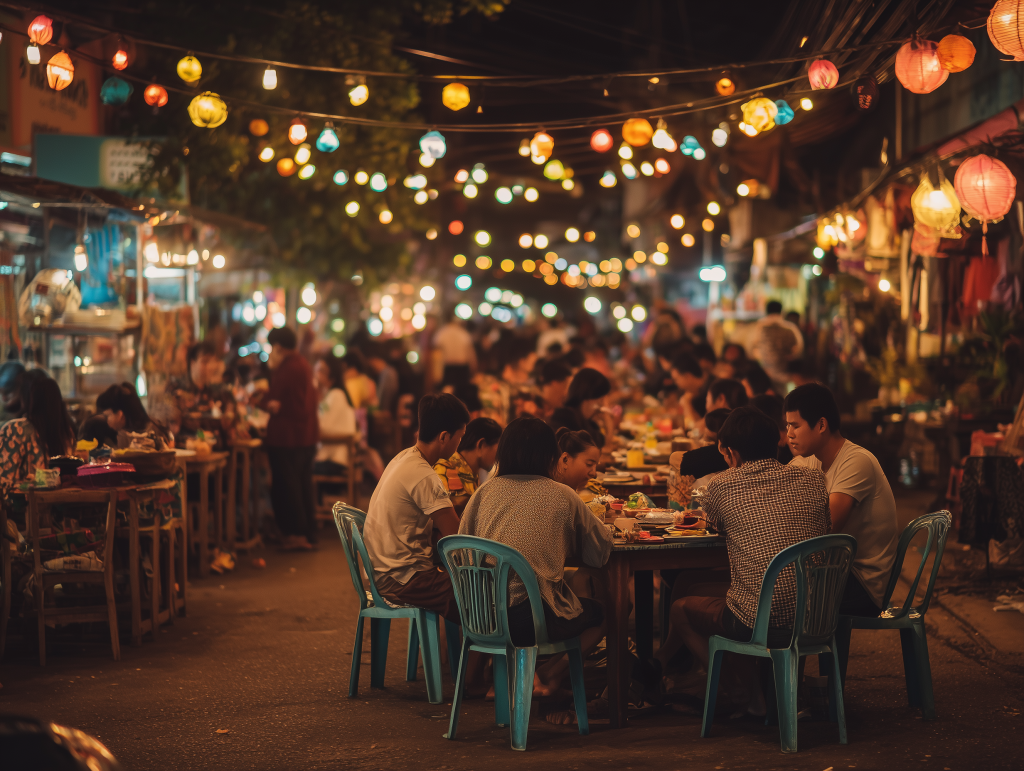
You’ll see families at the night markets, workers heading to industrial zones, students hanging around university areas, retirees at temples. The city wasn’t designed for tourists or expats—we’re here because we chose to be, and that’s different.
This means authentic local food, genuine Thai festivals and celebrations, and real neighborhood communities with their own character.
It also means you can practice your Thai, because English is way less common than in Bangkok or beach towns.
But if you’re looking for the authentic Thailand, Korat may be just the place for you.
Modern Stuff When You Need It
In Korat, you get authentic Thai lifestyle AND modern conveniences.
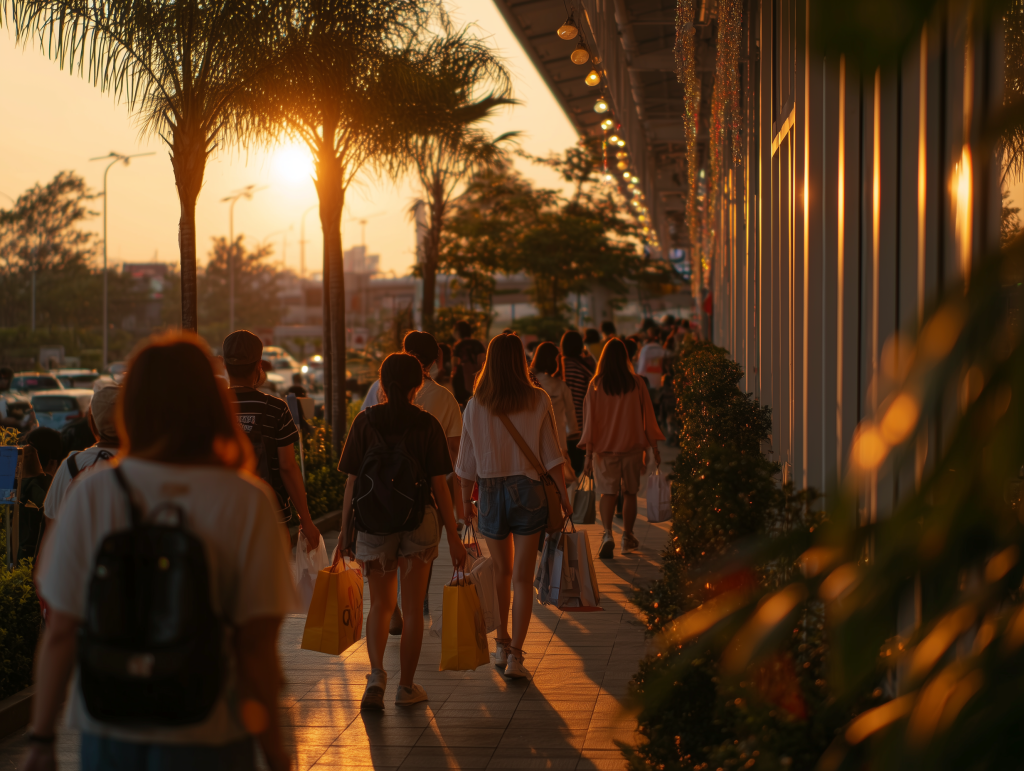
Three massive shopping malls all within the same area (Central Korat, The Mall Korat, and Terminal 21 Korat) offer international brands, decent restaurants, cinemas, and all the modern shopping experience you might miss.
There’s Starbucks. There’s McDonald’s. There’s KFC.
There are:
- Gyms
- Cafes
- Restaurants
- Bars and night clubs
- Parks
There are proper hospitals with English-speaking doctors available if you need them.
And all the major retail chains you could ask for.
One key difference from Sukhumvit, the “foreigner hangout” in Bangkok: you’re not living in a forest of malls.
The mall is something you go to when you want it, not something that dominates your neighborhood. The rest of your life happens in actual Thai communities where people know each other, where local markets run daily, where the pace is slower and the atmosphere is genuinely Thai.
Better Transportation Is Coming—Fast
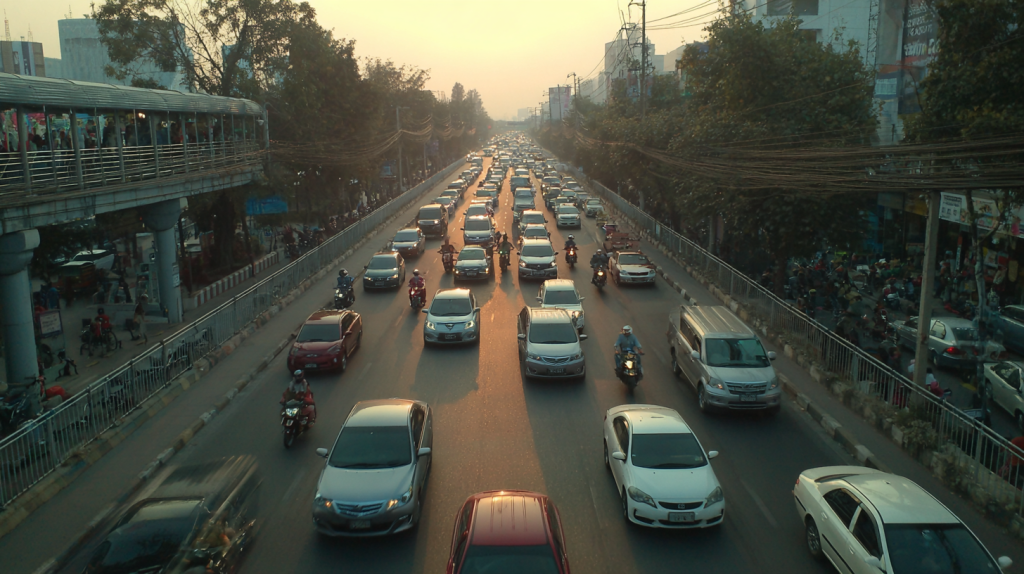
If you’ve read up on Korat, you’ve probably heard about the high-speed rail project.
The Bangkok-Korat high-speed rail is scheduled to finish by 2028 and will cut travel time from Bangkok down to just 90 minutes instead of the current 4+ hours.
The M6 motorway is also under construction and will dramatically improve that route as well. These aren’t vague promises—construction is actively happening right now.
What does this mean for you?
- A faster commute to Bangkok
- Weekend trips are easy
- Job opportunities expand
- Property values go up
- Tourism will increase
- The economy will grow
This is already changing how people think about Korat as a place to live and work.
Affordability, Without the Crowds
Korat is significantly cheaper than Bangkok without sacrificing modern amenities.
You want to know what a decent condo costs to buy?
- One bedroom condos can run 1.5 to 3.5 million baht
- A townhouse? 1.5 to 3 million baht
- A full single-family house? Starting around 1 million
And rentals are even better:
- 2-story townhomes can be found for 4,000 baht
- Multi-bedroom houses with yards for 6,000-15,000+
- 2-bedroom condos for 10-15,000
Compared to Bangkok, you’re looking at about double the value for the same price.
And beyond the purchase price, your day-to-day expenses are lower too.
Real Thai Food
Forget what you think you know about Thai food, Korat’s food scene is legit.
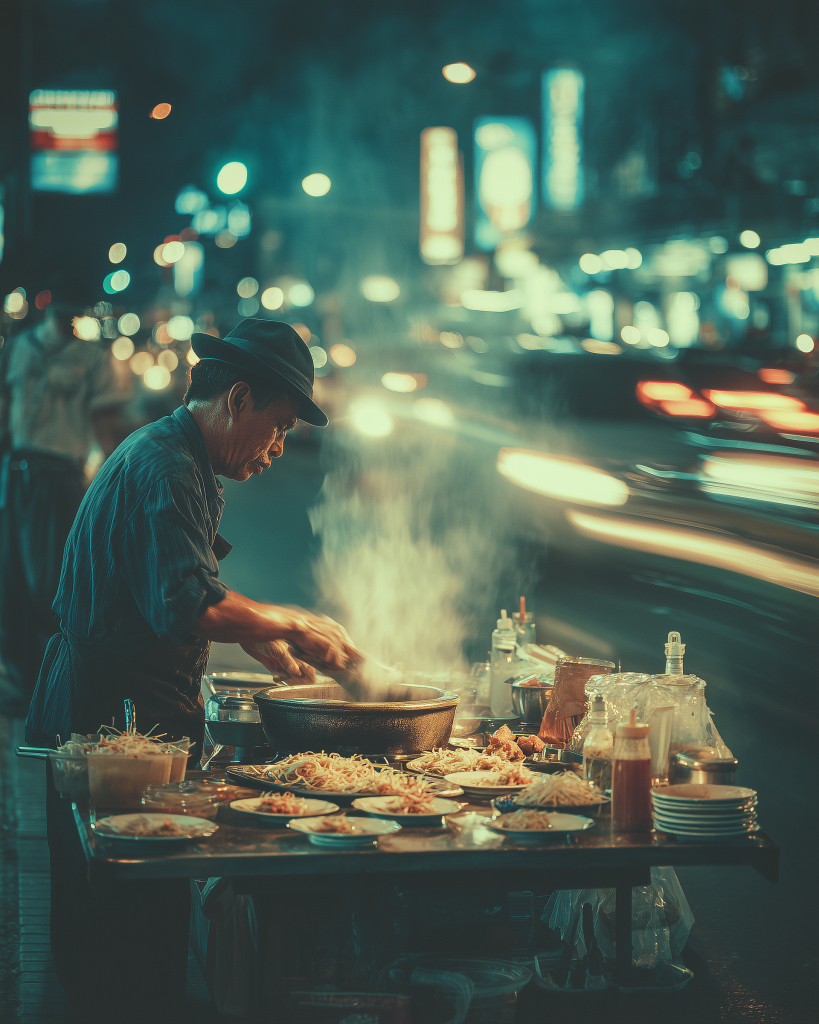
Markets are in almost every neighborhood and authentic Thai restaurants fill the city (and your stomach).
The city is famous for specific dishes you can’t get elsewhere—Khanom Jeen Pradok from the south, Pad Mee Korat, Som Tam Korat, and various suki-style hotpot restaurants.
These aren’t tourist foods. It’s what locals actually eat.
Restaurants like Sor Rueang, Rareang Kaew, and Kroo-Ek Khanom Jeen Pradok have built real reputations serving authentic stuff.
For international cravings, the three shopping malls have Japanese, Korean, and Western chain restaurants.
In short: you won’t starve, and you’ll eat really well if you love Thai food.
Markets and “Thai” Shopping
Beyond the malls, there’s the Save One Night Market that operates every day from 3pm to midnight and covers 88 rai with eight different zones selling everything from clothes to household goods to food.
It’s less “tourist market” and more “where locals actually shop and eat.”
Other markets include Talat Thoed Thai (wholesale), Talat Sampeng (traditional market), and the Municipal Market.
The three malls offer standard modern shopping if you need international brands or specific products.
Tops supermarket has Western goods.
There’s a Starbucks if you want it.
But honestly, the real shopping action is at the night markets if you want to understand how Korat actually works.
Places to Visit, Things to Do
Within the city, the Thao Suranaree Monument is the spiritual center where locals gather, especially during festivals.
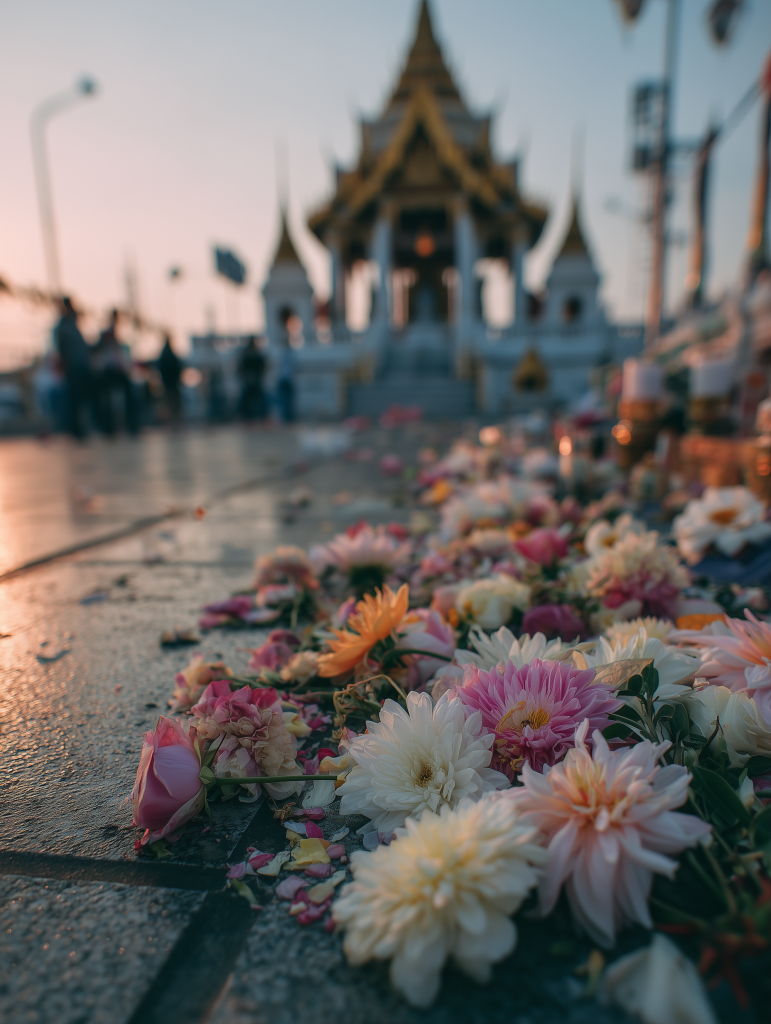
The historic moat and city walls give you a sense of Korat’s history.
- For day trips, Khao Yai National Park is about an hour away and offers hiking, wildlife viewing, and real nature.
- The Lam Ta Khong Dam offers scenic views and water recreation.
- There are Khmer temple ruins at Prasat Hin Phimai if you’re into historical sites.
These aren’t far enough to be inconvenient, but they’re close enough that you can do them regularly.
Actual Living (Recreation, Families, Schools)
If you have kids, there’s the 80th Anniversary Stadium sports complex with various facilities, schools throughout the city (both public and private), and the Suranaree University of Technology as a major educational hub.
Golf courses exist in the surrounding areas.
Gyms are in the malls and operate standalone.
Parks and temple grounds offer walking space if you want outdoor time.
For retirees, hospitals are available (Thepharat Hospital is the main private option), and medical costs are cheaper than Western countries and generally cheaper than Bangkok.
Daily life can include temple visits, market routines, and regular socializing with neighbors and friends.
Living Here: The Practical Questions
How Much Does It Actually Cost?
Keep in mind that all these rates depend on the neighborhood. Downtown prices will offer more convenience to highways and amenities, but they’ll cost more than other neighborhoods.
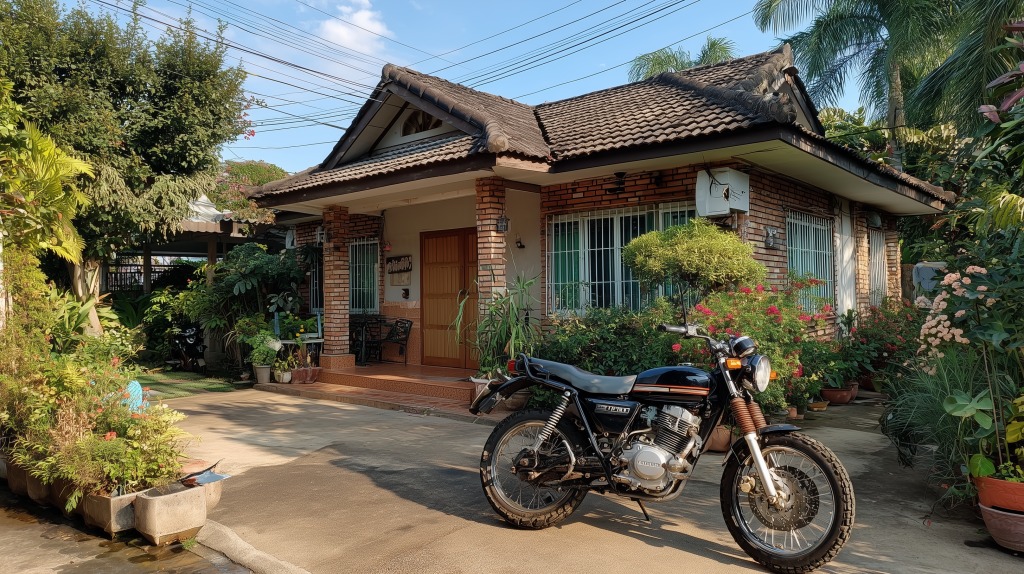
Rent:
- Studio or 1-bedroom condo, 5,000-15,000 baht/month
- 2-bedroom, 25,000-30,000 baht/month
- Townhouse, similar range
- Single-family house with yard, more variable
Buy:
- 1-bedroom condo, 1.5-3.5 million baht
- 2-bedroom condo, 2.5-5 million baht
- Townhouse, 1-3 million baht
- Single-family house, 1-6+ million baht depending on size and location
Daily living:
- Affordable compared to Bangkok
- Local food is cheap
- Utilities are affordable
- Transportation costs depend on driving
Can You Actually Get Around?
You need a car or willing to use songthaews (shared pickups).
Taxis exist but aren’t convenient for regular use.
Motorbikes work if you’re comfortable with Thai traffic.
Walking works in neighborhoods if you’re going to local markets and nearby shops, but not for getting around the city.
Will You Be Lonely?
That depends on you.
There’s an expatriate community, but it’s smaller than Bangkok.
If you make effort to meet people—neighbors, local community activities, temple groups—you’ll find social connection.
If you expect a large English-speaking bubble, you’ll struggle.
Locals are generally friendly and welcoming to people genuinely interested in living in their city.
Healthcare?
Adequate for routine care and most issues.
Thepharat Hospital is reliable for major things.
Serious complicated cases might still require Bangkok travel.
Costs are very reasonable.
English-speaking medical staff is available at major hospitals.
What You Need to Know About Life in Korat
To live in Korat, foreigners usually want a car or a motorbike.
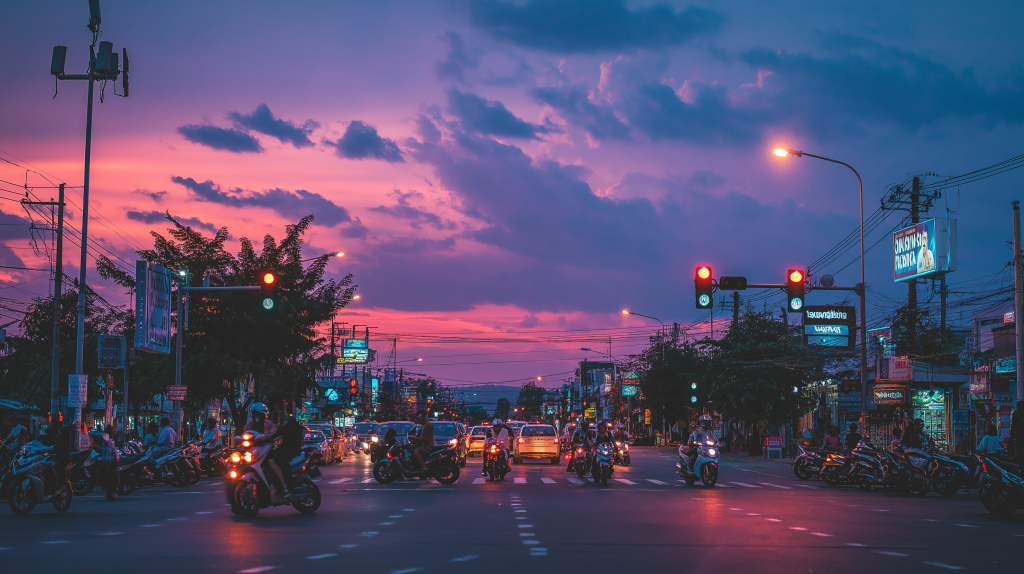
There’s no BTS, no MRT, no real bus system…yet.
The songthaews (shared pickup trucks) that serve as local transport are cheap and cheerful, but they’re suitable only for the most thrifty foreigners. Plus, you’ll want to speak Thai and you need to know the routes. And you’ll need to get used to waiting and walking, since you’ll do a lot of that.
The downside of this?
Motorbikes and cars cost money. And you’ll need to get used to traffic.
The upside?
You can get anywhere quickly, and since most foreigners take the “easy way” and live in touristy areas, there are fewer foreigners here!
Traffic has gotten busier in recent years, especially on Mittraphap Road during rush hours and weekends, but it’s still nothing compared to Bangkok. Parking is abundant and free, or cheap. Gas prices are the same as Bangkok. But without your own vehicle, daily life becomes genuinely difficult in a way it might not in Bangkok or Chiang Mai.
If you need public transit, consider whether Korat is right for you.
If you’re excited to have your own wheels and explore, or you were driving anyway, this isn’t a problem at all.
The City Is Spread Out
Korat isn’t compact. It sprawls across a large area, which makes it unlike most other metropolitan areas.
If you are fine driving, then that’s no problem. The good news is that neighborhoods feel like actual neighborhoods—each area has its own local markets, schools, shops, and community character, so you’re not feeling like you’re living in a generic suburban zone.
If you need a small, walkable city, the Korat might not be the place for you. If your office is on one side of the city and your favorite restaurant is on the other, you’re looking at a real drive, possibly through traffic.
During rush hours and weekends when everyone’s heading to the malls, traffic on main roads gets genuinely annoying.
If you’re someone who likes quick access to everything, this might wear on you.
(Again, Korat traffic is nothing compared to Bangkok…or many other major global cities).
If you are fine driving and if you like the idea of settling into one neighborhood with its own personality, the sprawl is actually feature, not a bug.
It’s Less International Than Major Tourist Cities
Korat has a small but growing international community.
This means fewer English speakers, fewer international restaurants (outside the malls), and less of the “English-speaking foreigner bubble” you might find in Bangkok or Phuket.
If you’re retiring or relocating and you want to hang out primarily with other English speakers and eat Western food, you’ll likely have to settle for a small friend group.
But if that’s okay…and if you’re genuinely interested in living in Thailand and engaging with Thai culture and language…it might be perfect.
But it’s worth keeping in mind before you move here.
Where Should You Actually Live? The Neighborhoods Explained
The City Center: Historic and Chaotic in the Best Way
The old town—centered around the Thao Suranaree Monument, the historic moat, and the original city walls—is where Korat’s soul lives.
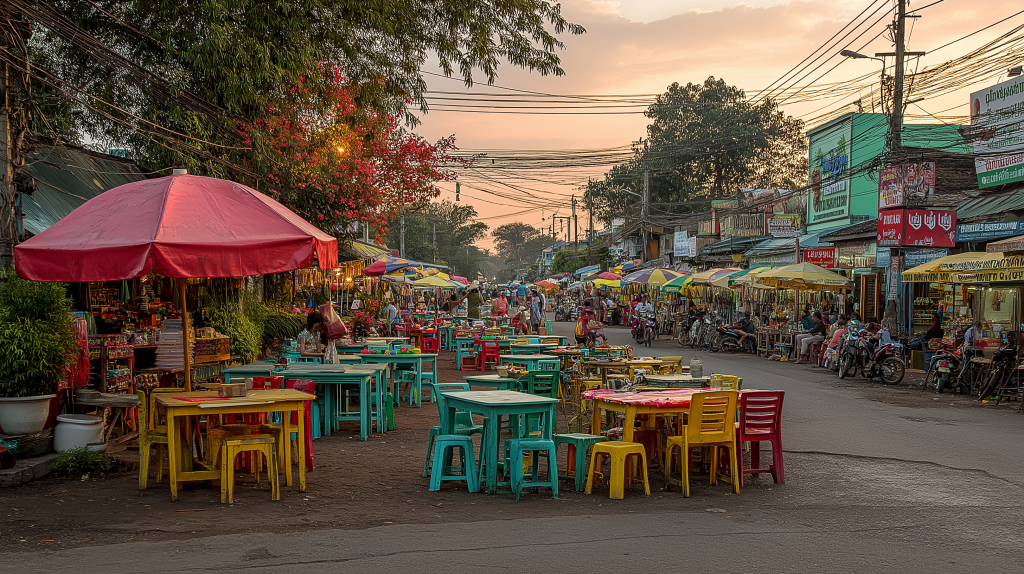
This is where you’ll find the most authentic local restaurants, the oldest shophouses with character, the real Thai atmosphere that attracted a lot of people to Thailand in the first place.
The neighborhood is more walkable than many others, with food that’s genuinely incredible, daily markets, and the feeling of being embedded in actual Thai community life.
But you’re also dealing with older infrastructure (limited parking, narrower streets, sometimes aging buildings), traffic congestion in the historic core during peak hours, and housing that tends to be either traditional shophouses (commercial ground floor, living upstairs) or older apartment buildings.
It’s best for:
- People who want that old-Thailand atmosphere
- Food enthusiasts
- Retirees comfortable with less-modern infrastructure
- People who walk or bike short distances daily
Maybe skip if you want everything modern and new, you need ample parking, and you prefer quiet residential environments away from market bustle.
Mittraphap Road: Modern Shopping and Convenience
This is the gleaming modern strip. It’s where the three big malls sit alongside hospitals, hotels, and modern residential developments.
Central Korat, The Mall Korat, and Terminal 21 Korat all cluster here, plus major supermarkets, restaurants, and most of the city’s shiny modern stuff.
If you want to be five minutes from international shopping, cinemas, and modern amenities, this is your zone.
It’s convenient, with modern condos like City Link and Condo Plus, plus international restaurants, cafes, and shops.
Properties are pricier here than in other parts of the city: condos near the malls run 2-5 million baht for 1-2 bedrooms.
It’s best for people who love malls and modern shopping, professionals who want convenience, families who want easy access to Western restaurants and entertainment, those who don’t mind a less-neighborhood-oriented environment.
Maybe skip if you want a real neighborhood with character, you’re looking for best value for your money, you want to avoid shopping center vibes.
Sam Yod and Save One Market: Where Young Energy Meets Local Life
The neighborhood has absolutely exploded around the Save One Night Market, an 88-rai night market that’s literally the largest in all of Northeast Thailand and operates every day from 3pm to midnight.
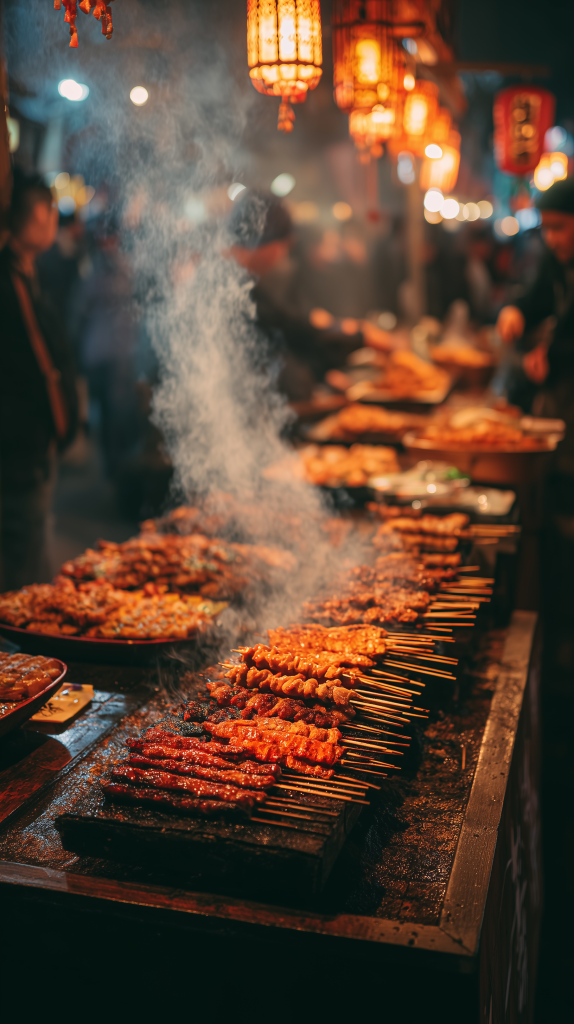
The market attracts massive crowds—locals shopping, people eating, families hanging out.
It’s become the evening epicenter for huge numbers of Korat residents.
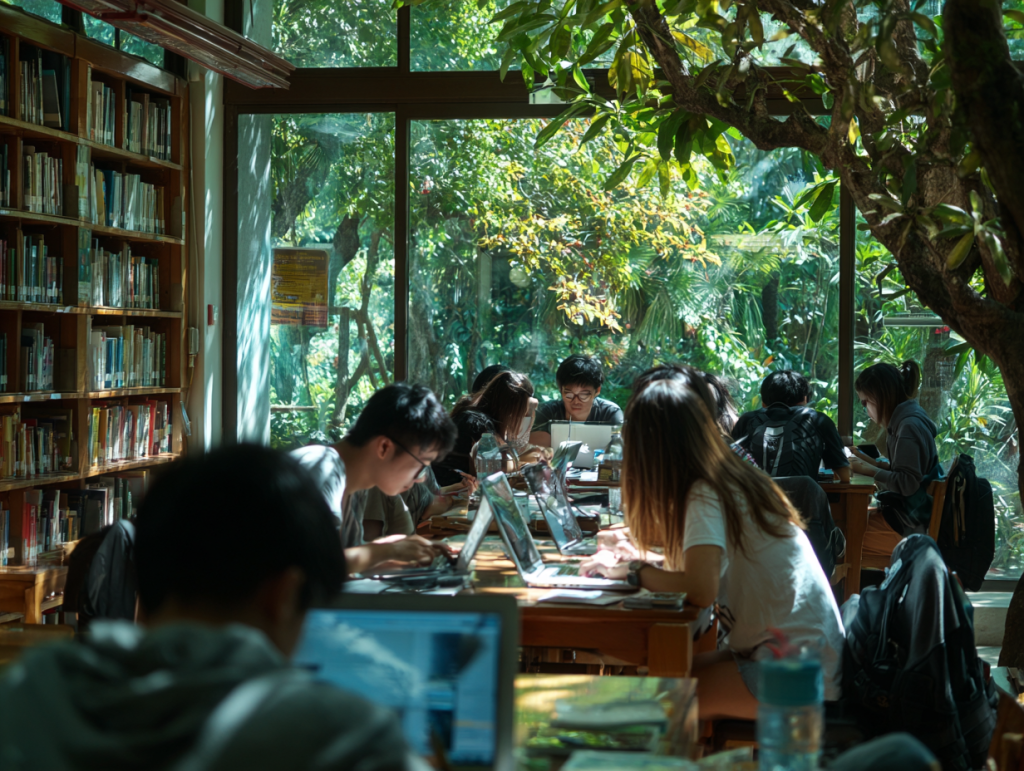
Beyond the market, the area benefits from proximity to Suranaree University of Technology (SUT), which means student housing, younger energy, and services catering to an academic population.
You also get modern supermarkets like Big C, restaurants and cafes such as Starbucks and KFC, and easy highway access.
Houses can be rented for as low as 5,000 baht, and you also have developments with houses starting at 2 million.
It’s a genuinely vibrant area with strong community atmosphere, good prices, and lots of activity.
The downside? It can get crowded (especially market nights and weekends), the student population brings energy but also noise, and it’s still actively developing so infrastructure continues to change.
It’s best for younger people, market enthusiasts, those interested in where Korat’s energy actually is, families comfortable with crowds, and people seeking an energetic, authentically Thai neighborhood.
Maybe skip if you want quiet and peaceful, you dislike crowds, or you prefer established neighborhoods over developing areas.
Hua Talae and Suranaree Industrial Area: Where Work Meets Home
This northwest industrial zone is where manufacturing happens.
The Suranaree Industrial Estate anchors the area with factories, warehouses, and supply businesses. If you work in manufacturing or industrial sectors, living here means a short commute and a community of coworkers. Practical amenities include local markets, industrial supply shops, and basic services.
Housing options include worker apartments and townhouses aimed at factory staff and management.
Prices are among the city’s most affordable because the neighborhood is oriented toward working-class housing rather than lifestyle or recreation. The industrial character is real—you’ll hear machinery, see commercial trucks, experience the practical side of manufacturing.
It’s best for factory and industrial workers, plant managers, those who want short commutes to industrial work, people prioritizing affordability, anyone comfortable with industrial-area vibes.
Maybe skip if you want quiet residential atmosphere, you’re looking for lifestyle amenities, industrial noise would bother you.
Chaiyamongkol: Suburban Quiet with Space
South of downtown, Chaiyamongkol represents older suburban development transitioning toward modern residential zones.
This is where you go if you want space, peace and quiet, and that slower suburban rhythm.
The neighborhood features the Huai Yang Reservoir for occasional recreation and has genuinely more trees and greenery than central areas.
Amenities are practical rather than exciting—local schools, temples, community markets.
Housing emphasizes space over convenience, with larger single-family homes on bigger plots and more affordable pricing than closer-in neighborhoods.
The trade-off is distance—reaching downtown means driving, and you will have fewer modern services at your doorstep.
It’s best for retirees seeking quiet, families wanting larger properties and yards for kids, people who prioritize peace over convenience, those comfortable with slightly longer commutes.
Maybe skip if you need close access to modern amenities, you want vibrant neighborhood energy, and you dislike moderate commutes.
Pradok: If You Want Authentic Everything
There’s this neighborhood south of downtown that’s basically the culinary capital of Korat.
Pradok is famous across Thailand for Khanom Jeen Pradok—fermented rice noodles with incredibly complex local curries—and the area has built a reputation around this dish.
The neighborhood includes cultural attractions like the 300-year-old temple literally built in the middle of a pond (Wat Mueang Wai).
It’s genuinely rural in character, with agricultural heritage, community tourism initiatives developing slowly, and that real village feel you might be seeking.
Housing is traditional village-style or newer developments starting to emerge as tourism picks up.
Prices are very affordable.
The authentic Thailand factor is extremely high.
The catch is that it’s quite rural…you’re driving 15-20km to reach most modern services, shopping centers, or major hospitals.
Weekend tourism can create crowds at famous restaurants and cultural sites.
It’s beautiful and authentic, but you need to be comfortable with genuine rural distance from urban amenities.
It’s best for people passionate about authentic Thai culture and food, those seeking genuine rural experience while living in Korat area, food enthusiasts and adventurous eaters, and those comfortable with significant distance to urban services.
Maybe skip if you need quick access to modern services, you dislike crowds on weekends, and rural living seems too limiting.
The Bottom Line
Korat is an authentically Thai city that’s not designed for tourists or international expats—it’s designed for Thais, which is exactly why some foreigners choose to live here. You get to live in the “real” Thailand, while still having access to modern amenities, shopping, healthcare, and more.
Compared to Bangkok, the prices are lower, the pace is slower, the traffic is better, the food is incredible, and the “authentic Thailand factor” is high.
As a city, Korat’s economy is growing, and it’s poised for even more growth with the construction of the M6 Highway and the high-speed rail.
So, whether you’re investing, moving, or just staying for a while, Korat offers a side of Thailand that most foreigners never see.
That being said, is Korat right for you?
Yes, if:
- You want to embrace the real Thailand…in a modern Thai city
- You are okay driving your car or motorbike everywhere
- You want to be close to northeast Thailand and Bangkok
- You want an affordable, vibrant city with modern amenties
Want to learn more about living in Korat?
Come visit, spend some time in different neighborhoods, check out the markets, eat at local restaurants.
If the vibe clicks, you’ve probably found your place.
Ready to make the move to Korat?
Get in touch with Korat Homes today.
Korat Homes is a small, family-run real estate agency in Korat, Thailand, with English-speaking agents who are here to help you find your next home.
For over five years, we’ve been helping Thais and foreigners alike find:
- Condos
- Houses and townhomes
- Commercial property
- Land
Just drop us a message, tell us what you’re looking for, and we’ll respond as soon as possible.